

Is Cheap Sparring Gear Worth It? A Real Cost Analysis
Table of Contents
- The Hidden Cost of Cheap Sparring Gear
- How to Choose Sparring Gloves That Last
- Safety vs. Cost Trade-offs: What You're Actually Risking
- When to Replace Boxing Gloves and Other Gear
- Essential Sparring Gear Checklist for Durability
- Long-Term Cost Comparison: Budget vs. Quality Gear
- Making the Right Call for Your Training Level
- Frequently Asked Questions
Last Updated: September 25, 2026
The Hidden Cost of Cheap Sparring Gear
Is cheap sparring gear worth it? The short answer is no, not when you factor in durability, safety, and replacement cycles. Budget equipment often fails within weeks of regular training, forcing you to rebuy multiple times. Quality gear lasts years and protects you better during intense sessions.
The real cost of cheap sparring gear is cumulative: repeated replacements, injury risk from inadequate protection, and equipment that fails when you need it most.
How to Choose Sparring Gloves That Last
When selecting sparring gloves, focus on three core factors: padding density, closure system, and material quality. These determine whether your gloves survive a training season or fail within weeks.
Padding density is the foundation. Cheap gloves use thin, low-density foam that compresses quickly under impact. Quality gloves pack multiple layers of foam engineered to absorb shock while maintaining structure. Press your thumb into the knuckle area, if it sinks easily to the palm, the padding won't protect you or last long.
The closure system matters more than many realize. Hook and loop (velcro) closures on budget gear wear out fast, losing grip within 20-30 training sessions. Lace-up systems or premium hook and loop with reinforced backing stay secure for hundreds of sessions. A loose closure forces you to rebuy gloves sooner and compromises wrist support during hard sparring.
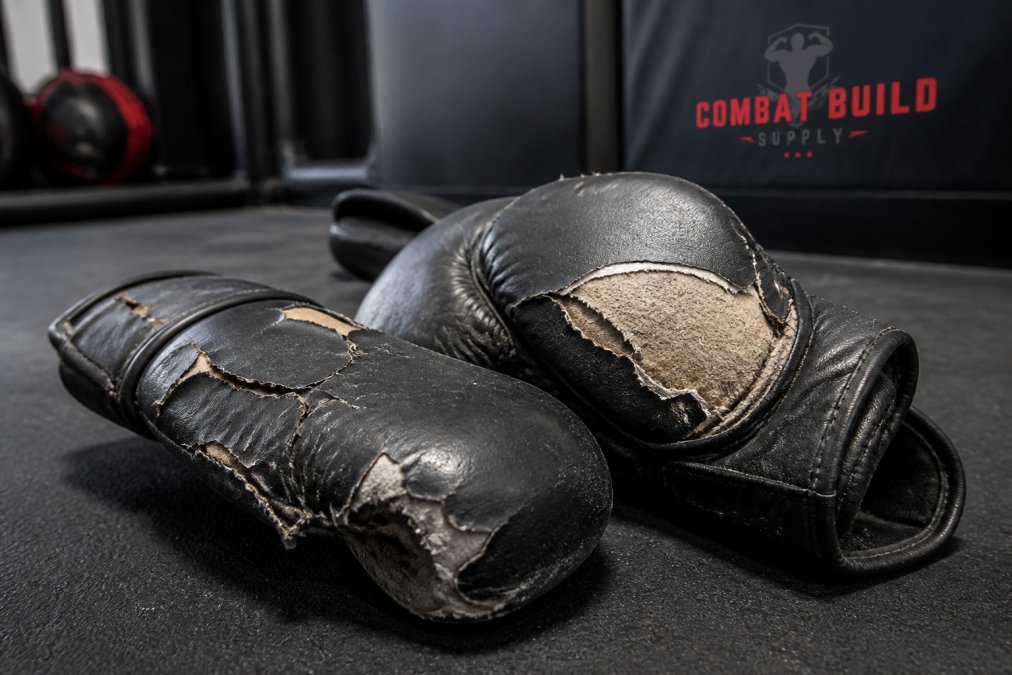
Material quality separates durable gloves from disposable ones. Synthetic leather on cheap gear cracks and peels. Genuine leather or high-grade synthetic with proper treatment resists sweat, maintains flexibility, and ages well. Run your fingers along the seams, rough stitching signals corners cut in manufacturing.
Check the weight: sparring gloves range from 10 to 16 ounces. Lighter gloves offer agility; heavier ones provide more protection. Choose based on training intensity and hand size.
Safety vs. Cost Trade-offs: What You're Actually Risking
Budget sparring gear cuts corners on impact absorption and multi-layered protection, creating real safety consequences during high-contact training.
Impact Absorption and Force Dispersal
Quality sparring gloves use multi-density foam to absorb and disperse impact energy. Cheap gloves use single-density foam that compresses unevenly, causing your hand, wrist, and forearm to absorb full impact force. Over time, this causes cumulative joint damage, wrist sprains, and hand fractures.
Budget shin guards use thin foam (1/4 inch or less) that compresses completely on impact, exposing your tibia to direct trauma. Quality shin guards use layered foam (1/2 to 3/4 inch) with shock-absorbing gel that reduces peak impact force by 40-60% compared to budget alternatives.
Headgear and Concussion Risk
Budget headgear uses thin, uniform foam that doesn't account for impact zones, creating unpredictable protection levels during sparring.
Quality headgear uses multi-density foam with reinforced padding in high-impact zones. Cheap headgear's padding breaks down after 30-50 hard sparring sessions, leaving you wearing the illusion of protection.
A single under-protected impact can cause immediate or delayed concussion symptoms. Repeated sub-concussive impacts accumulate over time. Quality headgear's maintained padding reduces both concussion risk and cumulative brain trauma.
Closure Systems and Wrist Stability
Cheap gloves use low-quality hook-and-loop closures that lose grip within 20-30 training sessions, degrading wrist support and causing sprains, strains, and repetitive stress injuries.
Quality gloves use reinforced hook-and-loop or lace-up systems with internal rigid stays that maintain consistent wrist support and prevent wrist injuries during hard sparring.
The Cost of Injury
Quality gear maintains protective properties across hundreds of sessions.
When to Replace Boxing Gloves and Other Gear
Quality boxing gloves last 1-2 years with regular training (3-4 sessions per week); budget gloves fail within 2-4 months. The replacement cycle is where cheap gear becomes genuinely expensive.
Signs your gloves need replacement:
- Padding feels thin or uneven when you punch
- The closure system no longer holds tight
- Seams are splitting or tearing
- The interior is compressed and doesn't spring back
- Odor persists despite washing (indicates breakdown of materials)
Essential Sparring Gear Checklist for Durability
Building a durable sparring setup means selecting each piece with longevity in mind. Here's what matters:
| Gear Type | Durability Priority | Material to Seek | Replacement Window |
|---|---|---|---|
| Sparring Gloves | Padding density, closure system | Genuine leather or premium synthetic | 12-24 months |
| Shin Guards | Multi-layer padding, secure fit | Foam with breathable fabric backing | 6-12 months |
| Hand Wraps | Stitching quality, elastic retention | Cotton or cotton-blend with reinforced seams | 3-6 months |
| Headgear | Impact absorption, ventilation | Multi-density foam, adjustable fit | 12-18 months |
| Mouth Guard | Fit and retention | Custom-molded or boil-and-bite quality brands | 6-12 months |
Long-Term Cost Comparison: Budget vs. Quality Gear
Cost-per-use calculations reveal why budget equipment often costs more over time despite lower upfront prices.
Cost-Per-Use Framework
Annual and Multi-Year Cost Scenarios
Budget Gear Path:
- Sparring gloves: $80 every 4 months = 3 replacements/year = $240/year
- Shin guards: $35 every 5 months = 2.4 replacements/year = $84/year
- Headgear: $45 every 6 months = 2 replacements/year = $90/year
- Hand wraps: $15 every 4 months = 3 replacements/year = $45/year
- Total annual cost: $459
- 2-year total: $918
Quality Gear Path:
- Sparring gloves: $180 every 18 months = 0.67 replacements/year = $120/year
- Shin guards: $95 every 12 months = 1 replacement/year = $95/year
- Headgear: $140 every 16 months = 0.75 replacements/year = $105/year
- Hand wraps: $25 every 6 months = 2 replacements/year = $50/year
- Total annual cost: $370
- 2-year total: $740
Savings with quality gear: $178 over 2 years
Budget Gear Path:
- Sparring gloves: $80 every 2.5 months = 4.8 replacements/year = $384/year
- Shin guards: $35 every 3 months = 4 replacements/year = $140/year
- Headgear: $45 every 4 months = 3 replacements/year = $135/year
- Hand wraps: $15 every 3 months = 4 replacements/year = $60/year
- Total annual cost: $719
- 2-year total: $1,438
Quality Gear Path:
- Sparring gloves: $180 every 18 months = 0.67 replacements/year = $120/year
- Shin guards: $95 every 12 months = 1 replacement/year = $95/year
- Headgear: $140 every 14 months = 0.86 replacements/year = $120/year
- Hand wraps: $25 every 6 months = 2 replacements/year = $50/year
- Total annual cost: $385
- 2-year total: $770
Savings with quality gear: $668 over 2 years
Budget Gear Path:
- Sparring gloves: $80 every 6 weeks = 8.6 replacements/year = $688/year
- Shin guards: $35 every 8 weeks = 6.5 replacements/year = $227/year
- Headgear: $45 every 6 weeks = 8.6 replacements/year = $387/year
- Hand wraps: $15 every 3 weeks = 17 replacements/year = $255/year
- Total annual cost: $1,557
- 2-year total: $3,114
Quality Gear Path:
- Sparring gloves: $180 every 16 months = 0.75 replacements/year = $135/year
- Shin guards: $95 every 10 months = 1.2 replacements/year = $114/year
- Headgear: $140 every 12 months = 1 replacement/year = $140/year
- Hand wraps: $25 every 5 months = 2.4 replacements/year = $60/year
- Total annual cost: $449
- 2-year total: $898
Savings with quality gear: $2,216 over 2 years
The Hidden Costs of Budget Gear
The Math Favors Quality
Making the Right Call for Your Training Level
Your training intensity determines whether cheap gear is a false economy or a genuine mistake.
Frequently Asked Questions
Are cheap boxing gloves safe for regular sparring?
Budget boxing gloves often lack adequate padding density and impact absorption needed for safe sparring. Thin, compressed padding increases injury risk to both you and your partner. Low-quality wrist support can lead to strain or sprains during heavy contact. If you spar regularly, investing in gloves that meet established safety standards is worth the cost to protect your hands and wrists from long-term damage.
How do I know when to replace boxing gloves?
Replace your boxing gloves when padding becomes noticeably compressed, the interior smells persistently despite cleaning, or the outer material tears. Loss of impact absorption is the key indicator, if your hands feel more impact than they used to, the gloves have degraded. Most quality gloves last 1-2 years with regular training; cheap gear may need replacement in 3-6 months, negating any initial savings.
What should I look for in an essential sparring gear checklist?
Your sparring gear checklist should include headgear with multi-layered protection, gloves with adequate wrist support and shock absorption, shin guards, hand wraps, and a mouthguard. Each piece should feature breathable fabrics for sweat resistance and ergonomic design for agility during training. Check that all gear meets recognized safety standards and fits properly, poor fit compromises both protection and performance regardless of price.
Is it better to buy cheap gear from an unknown brand or entry-level gear from a reputable brand?
Entry-level gear from an established brand is the smarter choice. Reputable brands maintain minimum safety standards and offer better durability even at lower price points. Unknown cheap brands often cut corners on padding density, materials, and construction quality, increasing injury risk and replacement frequency. Spending slightly more on a trusted brand's beginner line protects your safety while still managing costs.
Choosing between cheap and quality sparring gear comes down to total cost of ownership, not initial price. Budget equipment fails quickly, forces repeated purchases, and offers inadequate protection during hard training. Quality gear lasts years, protects you better, and costs less over time. Combat Build Supply provides durable equipment designed to perform across every training session. Explore our gear and get started with equipment you can trust to support your training goals.


