

How to Maintain Combat Training Equipment
Table of Contents
- Why Regular Maintenance of Combat Training Equipment Matters
- Post-Training Gear Inspection and Debris Removal
- How to Prevent Martial Arts Gear Odors
- Martial Arts Gear Cleaning Schedule and Routine Procedures
- Best Disinfectant for Boxing Gloves and Textile Gear
- Proper Storage Techniques and Moisture Control
- Maintenance of Metal Components and Equipment Longevity
- Conclusion
Last Updated: August 28, 2026
Why Regular Maintenance of Combat Training Equipment Matters
Maintaining combat training equipment is the difference between gear that performs for years and equipment that deteriorates after months of heavy use. Sweat, moisture, impact, and repeated friction degrade fabric, padding, metal components, and seams over time. A heavy bag that isn't dried properly develops bacterial growth (the CDC). Boxing gloves exposed to moisture harbor odor-causing bacteria. Hand wraps that aren't cleaned regularly lose elasticity and structural integrity.
Regular maintenance extends gear longevity, prevents safety hazards, and keeps your equipment ready for every training session. Well-maintained equipment performs consistently, which means better training results and fewer interruptions to your routine. This guide covers the essential maintenance practices that separate practitioners who get years of reliable performance from those who replace gear constantly: inspection protocols, cleaning schedules, disinfection methods, storage techniques, and metal component care.
Post-Training Gear Inspection and Debris Removal
After every training session, inspect each piece of equipment for visible damage before storage. Look at seams on gloves and hand wraps for separation or fraying. Check padding for compression, tears, or areas where the outer material is splitting. For heavy bags and striking pads, inspect the surface for cracks, dents, or peeling covering. Metal components like honing rods should be checked for dents, corrosion spots, or bent sections.
Use a dry brush or cloth to wipe down exterior surfaces and remove sweat residue, dust, and lint. Pay attention to seams and stitched areas where debris accumulates. For equipment with metal components, wipe the metal with a dry cloth immediately after training to prevent moisture from sitting on the surface. Check the interior of gloves for moisture, mold, or odor development, and inspect mounting points where equipment attaches to stands or walls.
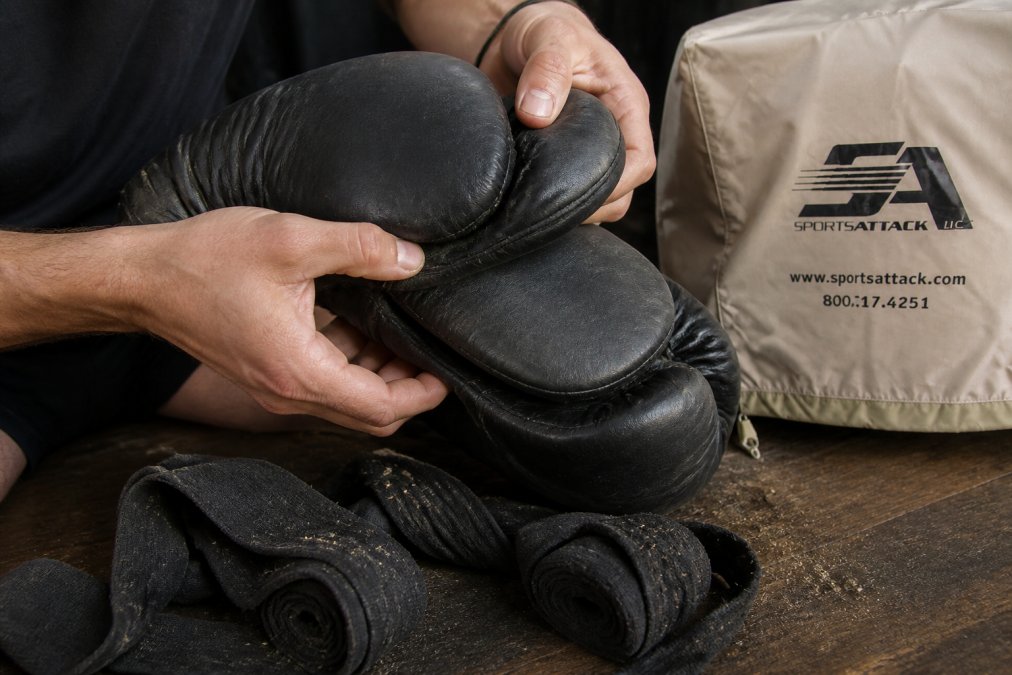
This 5-10 minute inspection after each session catches problems before they become expensive repairs. A small tear in a seam becomes a major structural problem if ignored for weeks.
How to Prevent Martial Arts Gear Odors
Odor in martial arts gear results from bacterial growth in moisture-rich environments. Prevention starts immediately after training by removing gloves and wraps while still at the training area. Never pack wet or damp gear into a gym bag or closet where it sits in a sealed environment.
Air circulation is your primary weapon against odor-causing bacteria. Lay hand wraps flat on a clean surface or hang them on a clothesline where air can reach all sides. Stand gloves upright with the cuff open so air moves through the interior. For heavy bags and pads, position them away from walls so air circulates around all surfaces. In humid climates, use a fan to increase air movement around stored gear.
Allow at least 24 hours of air drying before storing gear in enclosed spaces (acsm.org). In humid environments, extend this to 48 hours. Some practitioners use moisture-absorbing products like silica gel packets or activated charcoal placed near stored gear to reduce ambient humidity.
For stubborn odors that develop despite prevention, sprinkle baking soda inside gloves and let it sit for 24-48 hours, then shake it out thoroughly. For textiles, sprinkle baking soda, let it sit overnight, and brush it away. The baking soda absorbs odor-causing compounds without introducing harsh chemicals that could damage materials.
Martial Arts Gear Cleaning Schedule and Routine Procedures
A structured cleaning schedule prevents odor buildup, extends material lifespan, and keeps your equipment performing at its best.
Weekly cleaning is appropriate for practitioners training 5+ days per week. Wipe down all exterior surfaces with a damp cloth to remove sweat residue and dust. For hand wraps, hand wash in cool water with mild soap, rinse thoroughly, and air dry completely before storage.
Bi-weekly cleaning works for practitioners training 3-4 days per week. Combine quick wipe-downs after each session with more thorough cleaning every two weeks. For gloves, use a damp cloth on the exterior and allow interior air drying. For textiles, hand wash in cool water with mild detergent, rinse until soap is completely gone, and air dry.
Monthly deep cleaning should happen regardless of training frequency. Examine all seams and stitched areas. For gloves with removable inserts, wash those separately. For heavy bags and pads, use a slightly damp cloth to clean the entire surface, paying special attention to areas where sweat accumulates.
Always use cool water, never hot. Hot water can damage synthetic fibers, loosen glue bonds in padding, and cause certain materials to shrink. Air dry gear by laying textiles flat or hanging them where air circulates freely. For gloves, stand them upright or stuff the interior with newspaper (change every few hours) to absorb moisture while allowing air circulation.
Best Disinfectant for Boxing Gloves and Textile Gear
White vinegar is effective and safe for most materials. Mix one part white vinegar with three parts water in a spray bottle. Spray lightly on the exterior of gloves and textiles, then wipe with a clean cloth. The vinegar smell dissipates as the material dries. For textiles, you can soak hand wraps in a vinegar-water solution for 30 minutes, then rinse thoroughly and air dry.
Baking soda works as both a disinfectant and odor absorber. Sprinkle it directly inside gloves and let it sit for several hours or overnight. For textiles, dissolve half a cup of baking soda in water, soak the gear for 30 minutes, then rinse and air dry.
Isopropyl alcohol is appropriate for metal components and exterior surfaces. Use 70% isopropyl alcohol on a cloth to wipe down metal honing rods, weapon fittings, and metal attachment points (the CDC). Never apply isopropyl alcohol to fabric or padding, as it can damage synthetic materials and degrade glue bonds in padding.
Commercial sports gear disinfectant sprays designed for athletic equipment are safe for most materials if used according to directions. Read the label carefully to ensure the product is compatible with your gear's specific materials. Never use bleach on colored gear, as it causes discoloration and weakens fibers. Avoid harsh chemical disinfectants like Lysol on fabric or padding.
After disinfection, ensure gear is completely dry before storage. Air dry for at least 24 hours after any wet disinfection method.
Proper Storage Techniques and Moisture Control
Choose a storage location with good air circulation and moderate humidity. A closet with the door closed all day traps moisture and creates a humid microclimate where bacteria thrive. A well-ventilated storage area, even in a basement or garage, is far superior. If storing gear in a small space, use a fan to maintain air movement or place moisture-absorbing products nearby.
Avoid storing gear in areas with extreme temperature swings. Temperature fluctuations cause condensation, which introduces moisture. A stable, moderate temperature with low humidity is ideal.
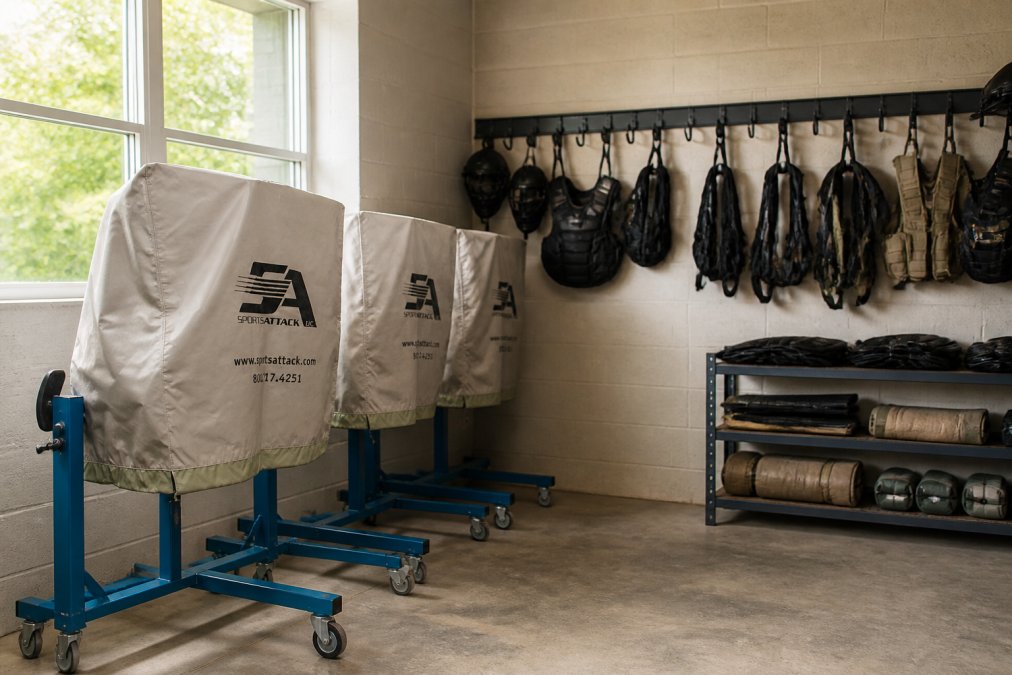
Organization prevents gear from staying compressed or folded in ways that trap moisture. Lay hand wraps flat on a shelf or hang them on a clothesline where air circulates around all surfaces. Store gloves upright with the cuff open so interior air can circulate. Heavy bags should hang freely without touching walls. Pads should stand upright or lean against a wall with space behind them for air movement.
For long-term storage, ensure everything is completely dry and clean before storing. Place moisture-absorbing packets inside gloves and sealed storage containers. If using plastic storage bins, drill small holes in the lid to allow air circulation. Never seal gear in airtight containers without moisture management.
Metal components should be lightly oiled before long-term storage to prevent corrosion. Use a light machine oil or specialized metal preservation oil. Wipe away excess oil so it doesn't attract dust. If you have multiple sets of gloves or hand wraps, rotate between them so each set gets extended air-drying time between uses.
Maintenance of Metal Components and Equipment Longevity
Metal components in combat training equipment, including honing rods, weapon fittings, attachment hardware, and metal reinforcements, require specific maintenance to prevent corrosion and ensure long-term functionality.
After training, wipe all metal surfaces with a dry cloth immediately to remove sweat and moisture that would otherwise begin oxidizing the metal. For equipment that gets wet during training or cleaning, dry metal components thoroughly before storage.
Light machine oil or specialized metal preservation oil protects metal from corrosion and keeps moving parts functioning smoothly. Apply a thin coat to honing rods, metal attachment points, and any metal components that experience friction. Wipe away excess oil so it doesn't accumulate dust. Reapply lubrication every 2-3 months or more frequently if gear is used intensively.
For metal components regularly exposed to moisture, consider applying a thin coat of clear protective spray designed for metal. This creates a barrier against moisture without affecting appearance or function. Test on a hidden area first to ensure the spray doesn't discolor or affect the finish.
During your post-training gear inspection, pay specific attention to metal components. Look for orange-brown discoloration (early rust), white powdery deposits (oxidation), or areas where the metal finish is degrading. Small corrosion spots can be cleaned with a wire brush or steel wool, then treated with oil to prevent progression.
The relationship between maintenance and equipment longevity is direct: well-maintained gear lasts longer than neglected equipment.
| Maintenance Task | Frequency | Time Required | Priority |
|---|---|---|---|
| Post-training inspection | After each session | 5-10 minutes | Essential |
| Exterior wipe-down | After each session | 5 minutes | Essential |
| Hand wash (wraps, light gear) | Weekly (heavy use) | 15 minutes | High |
| Full cleaning (all gear) | Monthly | 30-45 minutes | High |
| Deep inspection (seams, padding) | Monthly | 15 minutes | Medium |
| Metal component lubrication | Every 2-3 months | 10 minutes | Medium |
| Long-term storage prep | Before extended break | 30 minutes | As needed |
Maintaining combat training equipment is a practical investment in your training consistency and safety. The routines covered here, inspection, cleaning, disinfection, storage, and metal maintenance, are straightforward to implement and require minimal time once you establish the pattern.
Combat Build Supply supports practitioners who are serious about their training by providing equipment designed for durability and performance. Our gear is built to withstand intensive use, but that durability depends on proper maintenance. Follow the maintenance schedule outlined above, and your equipment will remain reliable and ready for every training session. When you need replacement parts or have questions about maintaining specific gear, our responsive support team is available via live chat, email, or phone to help you keep your equipment in peak condition.
Consider protecting your investment with products like the Sports Attack Premium Pitching Machine Cover ($249.00), designed to shield your equipment from dust, moisture, and UV exposure. For batting cage owners, the Trigon Sports Black Replacement Skirt for ProCage Professional Portable Batting Cage ($731.45) and the Trigon Sports Replacement Net for ProCage Professional Portable Batting Cage ($1,399.97) ensure your professional-grade setup remains in top condition. Soccer enthusiasts can extend the life of their rebounder with the Trigon Sports 6' x 12' Replacement Net for Soccer Rebounder ($74.36).


Frequently Asked Questions
Q: Can I spray Lysol in my boxing gloves to remove odors?
A: Lysol and similar spray disinfectants can damage the synthetic leather and internal padding of boxing gloves. Instead, use a mixture of equal parts white vinegar and water, or commercial odor-eliminating sprays designed for athletic gear. Spray lightly on the interior, then air dry completely. This prevents bacterial growth without harming the material's structural integrity.
Q: How often should I follow a martial arts gear cleaning schedule?
A: A martial arts gear cleaning schedule should include spot cleaning after each training session and thorough cleaning weekly for heavily used equipment like gloves, hand wraps, and protective pads. Air dry all gear immediately after training to prevent moisture and bacterial buildup. Deep sanitization monthly extends gear longevity. Adjust frequency based on training intensity and sweat exposure.
Q: How do I prevent mold and mildew in my gym bag?
A: Store your gym bag in a well-ventilated area away from direct moisture. After training, remove wet or damp gear immediately and hang it to air dry before packing. Wipe down the interior of your bag weekly with a dry cloth. Consider placing a small moisture-absorbing packet inside. Never seal a gym bag with damp gear inside, as this creates an ideal environment for mold growth.
Q: What should I look for during post-training gear inspection?
A: Inspect for visible tears, fraying seams, loose stitching, worn padding, and cracks in synthetic leather or protective shells. Check metal components like zippers and D-rings for corrosion or damage. Look for salt stains from sweat accumulation and debris embedded in seams. Early detection of wear prevents equipment failure during training and extends overall gear longevity through preventive maintenance.
This article was written using GrandRanker


