

Best Protective Gear for MMA Beginners 2026
Table of Contents
- Essential MMA Training Gear Checklist
- How to Choose MMA Gloves for Beginners
- Hand Wraps: Technique and Wrist Protection
- Mouthguards and Headgear for Sparring Safety
- Shin Guards for Striking and Grappling
- Compression Gear and Rash Guards
- How to Clean MMA Gear and Maintain Durability
- Transitioning from Boxing to MMA Gear
- Frequently Asked Questions
Last Updated: October 1, 2026
Essential MMA Training Gear Checklist
Starting an MMA training program means investing in the right protective equipment. The best protective gear for MMA beginners 2026 combines durability, comfort, and genuine injury prevention without breaking the bank. At Combat Build Supply, we're dedicated to helping you train smarter and more confidently by offering durable gear that performs consistently across every session.
Most beginners make the same mistake: they buy random items without understanding how each piece protects them during different training phases. Sparring demands different gear than heavy bag work. Grappling requires different protection than striking.
Here's what you actually need before stepping on the mat:
- MMA gloves (16-18 oz for beginners)
- Hand wraps (180-200 inch length)
- Mouthguard (custom-fitted or boil-and-bite)
- Shin guards (with grappling-specific padding)
- Rash guard (compression-fit, moisture-wicking)
- MMA shorts (with gusset for leg mobility)
- Headgear (for sparring sessions only)
- Compression shorts (for joint stability under your MMA shorts)
Each piece serves a specific purpose. The gloves protect your hands and your opponent's face. Hand wraps stabilize your wrist and metacarpals. A mouthguard absorbs impact to your teeth and jaw. Shin guards protect both your shins during kicks and your opponent's ribs during clinch work. Rash guards prevent skin infections from mat contact and provide compression for joint stability.
The best protective gear for MMA beginners 2026 doesn't mean the most expensive. It means equipment that fits properly, stays in place during intense movement, and actually protects the areas that take impact in your training style.
How to Choose MMA Gloves for Beginners
MMA gloves are your first line of defense against hand injuries and impact trauma. Choosing the right pair determines whether your wrists stay healthy or develop chronic pain within months.
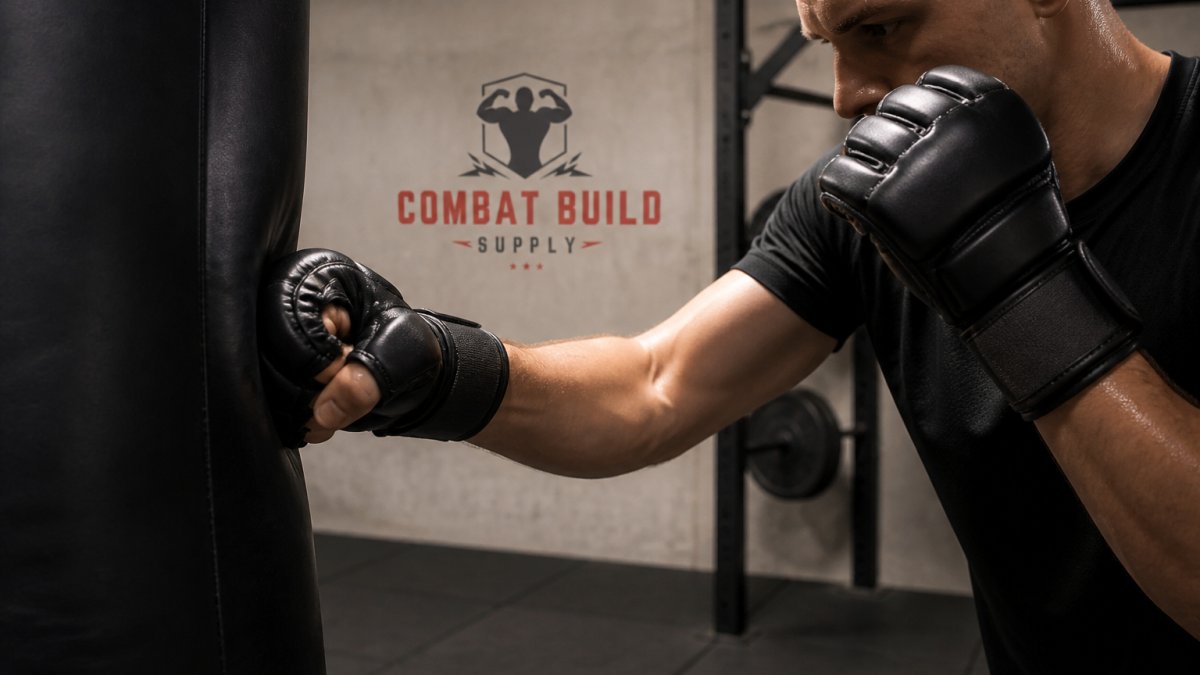
The ideal weight for beginners is 16 oz. This provides enough padding to protect your hands during heavy bag work while maintaining the wrist mobility you need for grappling. Heavier gloves (18 oz) reduce hand speed and tire your arms faster. Lighter gloves (14 oz) offer less padding and increase injury risk for new fighters still developing proper technique.
Glove Weight and Padding Density
Padding density matters more than total ounce weight. A 16 oz glove with dense, multi-layer foam protects better than an 18 oz glove with thin padding. Look for gloves that compress gradually, they should resist impact without bottoming out against your knuckles.
The best protective gear for beginners includes gloves with impact absorption that spreads force across your entire hand. Cheap gloves compress fully after a few weeks, leaving your knuckles exposed. Quality gloves maintain padding density through months of training.
Wrist Support and Closure Systems
Wrist support determines whether your hands stay stable during combinations or collapse under the force of your own punches. Hook-and-loop closure systems (Velcro) let you adjust tightness instantly between rounds. Traditional lace-up gloves require a training partner to tie them, which wastes time.
Look for gloves with built-in wrist wraps inside the cuff. These prevent hyperextension during impact and reduce repetitive strain injuries. The wrist support should be firm without cutting off circulation, you should feel slight pressure, not numbness.
A common mistake is buying gloves too loose thinking they'll be more comfortable. Loose gloves shift during striking, concentrating impact on your smallest knuckles. Properly fitted gloves should feel snug around your hand but allow your fingers to move freely.
Hand Wraps: Technique and Wrist Protection
Hand wraps are non-negotiable. They do two things: they compress your hand bones to prevent fractures, and they stabilize your wrist to prevent sprains. Beginners often skip wraps thinking gloves alone are enough. That's how you end up with chronic wrist pain.
The standard wrap length for beginners is 180 inches. This gives you enough material to cover your knuckles, hand, and wrist without excess bulk. Longer wraps (200 inches) work if you prefer extra wrist support or have larger hands.
Wrap technique matters more than wrap quality. A poorly wrapped hand offers almost no protection. A well-wrapped hand with cheap wraps protects better than expensive wraps applied incorrectly.
The basic wrapping sequence protects three areas: your knuckles (where impact happens), your hand bones (which fracture easily), and your wrist (which hyperextends during striking). Each area needs specific compression. Wraps should be snug enough to prevent movement but loose enough that your fingers stay warm and maintain blood flow.
Watch your coach or an experienced fighter, then practice on your own hands repeatedly. Poor wrapping creates pressure points that cut off circulation and cause hand numbness during training.
Mouthguards and Headgear for Sparring Safety
A mouthguard is your only defense against tooth loss, jaw fractures, and concussions. Yet many beginners skip them during light drills, thinking the risk is low. That's where preventable injuries happen, when people train without proper protection because they underestimate impact.
Uppercut Combination Punching Bag →
Custom-fitted mouthguards (made by a dentist) offer the best protection and comfort. They cost more but stay in place better and allow clearer speech. Boil-and-bite mouthguards cost less and work adequately if fitted correctly. Avoid cheap pre-formed mouthguards, they offer minimal protection and fall out constantly.
A proper mouthguard covers your upper teeth and extends back to your molars. It should stay in place during hard strikes without your jaw clenching. If you're constantly pushing it back into place, it doesn't fit correctly.
Headgear is optional during technical drilling but essential during sparring. Heavy headgear reduces head movement and increases neck strain. Lightweight headgear (8-12 oz) provides impact absorption without restricting vision or movement. Look for headgear with good ventilation, your head generates significant heat during training, and poor airflow causes overheating.
Shin Guards for Striking and Grappling
Shin guards serve two purposes: they protect your shins from impact during kicks, and they protect your opponent's ribs and face during clinch work and takedown attempts. Different training styles require different shin guard designs.
For striking-focused training, you need shin guards with dense foam on the front and sides where kicks land. Padding thickness should be at least 1 inch on the strike surface. Thinner padding concentrates impact on your tibia and causes bruising.
For grappling-focused training, you need shin guards with coverage on the back of your calf and ankle area. Grappling creates friction and pressure on these areas that striking doesn't. The best protective gear for grappling includes reinforced heel coverage and ankle support.
Many beginners buy striking-only shin guards, then wonder why their calves bruise during grappling exchanges. Hybrid shin guards work for general training but don't excel at either discipline. If you train both striking and grappling equally, hybrid guards are acceptable. If you focus on one discipline, buy guards designed for that style.
Fit matters significantly. Shin guards that slide during training offer no protection.
Compression Gear and Rash Guards
Compression gear serves three functions: it prevents skin infections from mat contact, it provides joint stability during grappling, and it wicks moisture away from your skin. Beginners often view compression as optional. It's not. Maintaining a rigorous hygiene protocol remains the most effective method for preventing skin infections, a critical habit that extends well beyond the laundry room.
How to Clean MMA Gear and Maintain Durability
Your gear investment only pays off if you maintain it properly. Most gear damage comes from poor storage and hygiene practices, not from training intensity.
Hygiene Protocols and Anti-Microbial Care
Sweat and bacteria break down gear materials rapidly. Unwashed gloves develop odor within days and start deteriorating within weeks. Hand wraps absorb sweat and create ideal conditions for mold growth if stored damp.
Storage and Inspection Best Practices
Store all gear in a cool, dry, well-ventilated space. A gym bag left in a car or closet becomes a humidity chamber where mold thrives. Invest in a mesh gear bag that allows air circulation.
Mouthguards need special attention.
Transitioning from Boxing to MMA Gear
If you're coming from boxing, your existing gloves won't work for MMA. Boxing gloves are heavier (10-20 oz) and designed for pure striking with minimal grappling. MMA gloves are lighter (4-6 oz) and include open fingers for grappling.
Frequently Asked Questions
What equipment do beginners need for MMA training?
Beginners need MMA gloves (14-16 oz with adequate padding), hand wraps for wrist support, a mouthguard, shin guards for grappling and striking, a rash guard for hygiene and compression, and MMA shorts. A heavy bag or punching bag helps develop striking technique. Start with essential protective gear before adding specialized equipment as your training progresses.
How should MMA gloves fit for a beginner?
MMA gloves should fit snugly around your hand with the padding centered over your knuckles and palm. Your fingers should have room to curl into a fist without excessive space. The wrist support should wrap firmly but not cut off circulation. Test the fit by making a fist and checking that the glove doesn't shift. Proper fitment prevents hand injuries and improves striking accuracy during training.
How do I clean MMA gear to prevent hygiene issues?
Wash gloves and hand wraps after each session with mild soap and warm water, then air dry completely in a well-ventilated area. Use anti-microbial spray on gear that cannot be fully washed. Store all equipment in a clean, dry bag. Replace or sanitize mouthguards regularly. Never leave wet gear in a sealed bag, as this promotes bacterial growth. Proper hygiene maintenance extends gear life and reduces infection risk during sparring.
Are shin guards mandatory for MMA sparring?
Yes, shin guards are essential for both striking and grappling in MMA sparring. They protect your shins from impact during kicks and also shield your legs during clinch work and takedown defense. Choose guards with multi-layer foam and secure fastening to prevent shifting during intense training. Many gyms require shin guards during any contact-based sparring to maintain safety standards.


