

Preventing Common Martial Arts Training Injuries
Last Updated: October 22, 2026
Quick Summary
Preventing common martial arts training injuries requires proper warm-ups, correctly fitted protective gear, progressive strength training, and adequate recovery between sessions. Most martial arts training injuries occur during practice rather than competition, with 77.9% happening in training versus 22.1% during competition, making consistent injury prevention during regular sessions essential.
- Head and neck injuries account for a median of 57.9% of all combat sports injuries, with contusions representing 68.3% of cases.
- Warm-ups should take 10-15 minutes before intense training, starting with dynamic stretching and joint mobility followed by sport-specific activation drills.
- Weekly training load should increase by no more than 10% per week, with a deload week every 4 weeks cutting volume by 40-50%.
- Progress contact-based sparring gradually: technique only weeks 1-4, light contact at 50% intensity weeks 5-8, moderate contact at 70% weeks 9-12, full intensity only after 12 weeks.
- Aim for 7-9 hours of sleep per night, with athletes doing high-volume training needing 8-9 hours for proper adaptation and recovery.
Table of Contents
- Why Most Martial Arts Injuries Happen During Training, Not Competition
- Essential Martial Arts Warm-Up Exercises Before Every Session
- Selecting and Fitting Martial Arts Protective Gear Correctly
- Building Strength and Conditioning to Reduce Injury Risk
- Beginner Martial Arts Safety Tips for Your First Months
- Martial Arts Recovery and Rest Between Training Sessions
- Recognizing Serious Injury and When to Seek Medical Evaluation
- Frequently Asked Questions
Why Most Martial Arts Injuries Happen During Training, Not Competition
Preventing common martial arts training injuries starts with understanding where they actually occur.
A 2026 study found that competitive athletes sustained 68.24% of their injuries during training and 31.76% during competition How Risky Is Mixed Martial Arts study. Even more striking: in the most comprehensive MMA training injury research, 77.9% of injuries happened during training versus 22.1% during competition Jensen et al. MMA injury study.
Why? Training is where athletes push limits repeatedly. Competition happens once or twice a month.
This matters because it shifts where you should focus your prevention effort.
Head and neck injuries lead the injury list in combat sports. According to research on Olympic-style karate, the head and neck region accounts for a median of 57.9% of all injuries Lystad et al. karate injury epidemiology.
The takeaway: your prevention strategy must address training volume, intensity progression, and recovery. Competition safety is important.
Essential Martial Arts Warm-Up Exercises Before Every Session
A proper warm-up does three things: raises core temperature, activates the nervous system, and prepares joints for load. Most martial artists skip this or rush through it. That's where injuries start.
Your warm-up should take 10-15 minutes before any intense training. Start general, then move to sport-specific.
Dynamic stretching and joint mobility
Dynamic stretching moves your joints through their full range of motion under control. This is different from static stretching, which you hold in place. Save static stretching for after training.
Do these before every session:
- Arm circles: 10 forward, 10 backward each arm
- Leg swings: 10 forward-back, 10 side-to-side each leg
- Torso rotations: 10 each direction, standing tall
These prepare your joints without fatiguing your muscles. Spend 5-7 minutes here.
Sport-specific activation drills
After general mobility, activate the muscles you'll use in training. This primes your nervous system and improves muscle recruitment.
For martial arts, focus on these:
- Shadowboxing: 2 minutes at 60% intensity, light footwork and strikes
- Kick drills: 10 controlled kicks each leg, focusing on form not power
- Hip thrusts: 15 reps, bodyweight only, engaging glutes
Spend 5-8 minutes on activation. You should feel warm and ready, not tired.
Selecting and Fitting Martial Arts Protective Gear Correctly
Protective gear only works if it fits properly and stays in place. Loose gear migrates during movement. Too-tight gear restricts blood flow and becomes uncomfortable.
Most injuries happen because gear wasn't fitted to the individual. Generic sizing fails for martial arts.
Head protection and mouthguards
Head protection reduces impact force but doesn't eliminate risk. Fit matters enormously. A helmet that's too loose shifts during strikes. One that's too tight causes headaches and reduces blood flow.
When selecting a headgear:
- Measure your head circumference at the widest point
- Try it on and move side to side; it should not shift
- Ensure padding covers the temples, forehead, and back of skull
Mouthguards are non-negotiable. Custom-fitted mouthguards offer better protection and comfort than boil-and-bite options, but both work if they stay in place.
Test your mouthguard fit:
- Insert and bite down firmly
- Try to push it out with your tongue; it should stay in place
- Ensure it covers all upper teeth and the gum line
Replace mouthguards every 1-2 years or after visible damage.
Hand, shin, and knee protection
Hand wraps and gloves work together. Wraps provide wrist support and distribute impact force. Gloves absorb shock and protect knuckles.
Wrap your hands correctly:
- Start at the wrist, wrapping 2-3 times for stability
- Move across the back of your hand, covering knuckles
- Wrap between fingers, creating a web of support
Glove sizing matters. Too small restricts hand movement. Too large doesn't provide adequate padding.
Shin guards protect the tibia and fibula during kicks and blocks. Proper fit prevents slipping:
- The guard should cover from just below the knee to above the ankle
- Padding should align with your shin bone, not wrap around the sides
- Secure straps firmly but not so tight they cut off circulation
Knee sleeves provide compression and warmth, supporting the knee joint during high-volume training. The Major Fitness Knee Sleeves ($49.99) deliver targeted compression that maintains joint warmth and reduces strain without restricting natural movement, making them ideal for athletes pushing through heavy squat sessions or high-volume leg work.

Building Strength and Conditioning to Reduce Injury Risk
Strength training prevents injuries by building resilience in muscles, tendons, and ligaments. Conditioning prepares your body to handle repeated high-intensity efforts without breaking down.
The key is progressive overload: gradually increasing demand over weeks and months. Jump into heavy training too fast, and injuries spike.
Lower-body strength for stability and impact absorption
Your legs absorb impact during kicks, takedowns, and footwork. Weak legs increase injury risk.
Focus on these movements:
- Squats: 3 sets of 8-10 reps, twice per week
- Deadlifts: 3 sets of 5-8 reps, once per week
- Single-leg work: Bulgarian split squats or lunges, 3 sets of 8 reps each leg
Start with bodyweight or light loads. Build over 4-6 weeks before adding significant weight. This builds a foundation that supports martial arts-specific training.
Eccentric training to prevent hamstring and soft-tissue injury
Eccentric training means lowering under control, resisting gravity. Your muscles are strongest during the lowering phase. This builds resilience and prevents strain injuries.
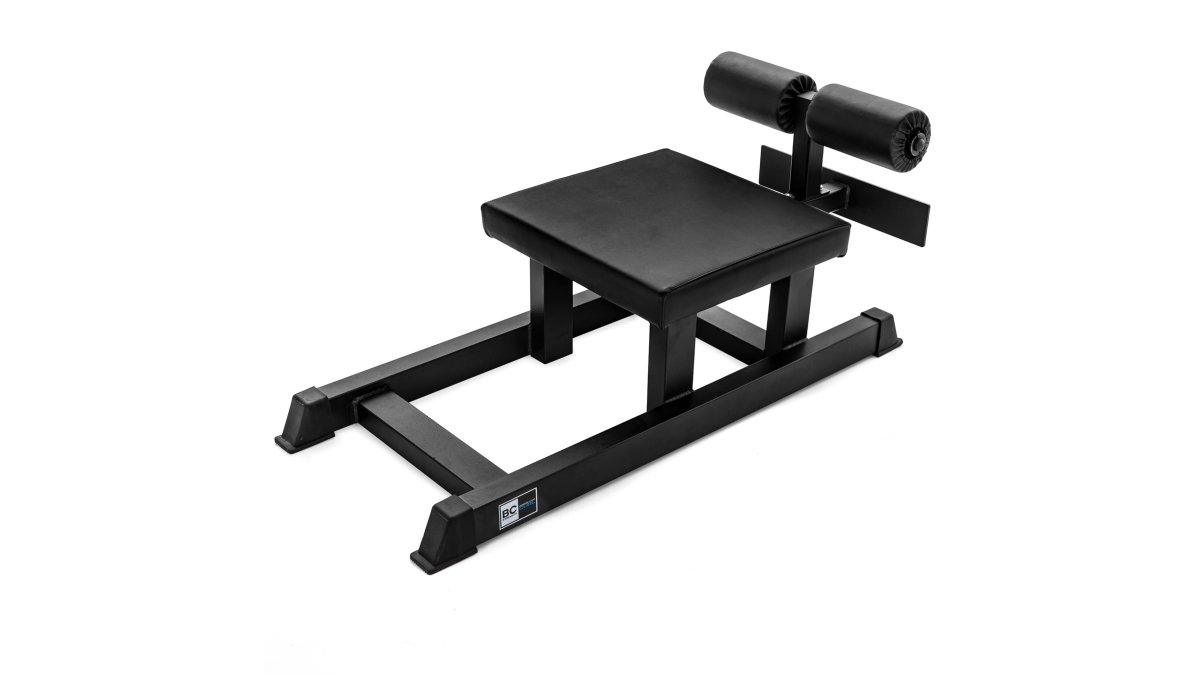
The Nordic ham curl is one of the most researched injury-prevention tools in sports science.

Eccentric training protocol:
- Perform 3-5 sets of 3-5 reps, twice per week
- Focus on slow, controlled lowering; 3-5 seconds down
- Rest 2-3 minutes between sets; eccentric work is demanding
Beginner Martial Arts Safety Tips for Your First Months
Your first months set the tone for injury risk. Bad habits formed early stick around. Smart progression prevents them.
Progressive contact-based training and sparring intensity
Contact-based training carries higher injury risk than drilling. The American Academy of Pediatrics notes that contact-based sparring and competitive training increase injury risk substantially compared to technique work. Even minor abrasions sustained during these high-intensity sessions require consistent attention, as properly treating mat burns prevents secondary infections that could otherwise sideline a practitioner for weeks.
Progress contact gradually:
- Weeks 1-4: Technique drills only, no contact, focus on form
- Weeks 5-8: Light contact drills with a partner, 50% intensity, controlled movements
- Weeks 9-12: Moderate contact sparring, 70% intensity, with experienced partners only
Never skip steps. Rushing into hard sparring before your body adapts causes preventable injuries.
Working with a coach to refine technique and prevent bad habits
A coach catches form breakdowns that lead to injury. Bad technique concentrates force in vulnerable areas. Good technique distributes it safely.
What to expect from a qualified coach:
- Correction of striking form within the first few sessions
- Progressive drilling that builds skills before adding intensity
- Feedback on footwork and positioning to prevent joint stress
Ask your coach about their experience with injury prevention. A coach who only focuses on winning ignores the foundation that keeps you healthy long-term.
Martial Arts Recovery and Rest Between Training Sessions
Recovery is where adaptation happens. Your body builds stronger muscles, tendons, and ligaments during rest, not during training. Skipping recovery guarantees injuries.
Managing training load and volume progression
Training load combines intensity and volume. High intensity plus high volume breaks down your body. Balance them.
Track your training:
- Note the type of training: drilling, light sparring, hard sparring, or strength work
- Record duration: how long did the session last
- Rate intensity: 1-10 scale, where 1 is light and 10 is all-out effort
Your weekly load should increase by no more than 10% per week. If you trained 100 minutes at moderate intensity last week, this week should be around 110 minutes.
Deload every 4 weeks. Cut training volume by 40-50% for one week. This allows your body to fully recover and adapt.
Cold therapy, sleep, and return-to-training criteria
Ice reduces inflammation after hard training. Apply ice for 10-15 minutes within 30 minutes of training if you experience swelling or soreness.
Sleep is non-negotiable. Most adaptation happens during sleep. Aim for 7-9 hours per night. Athletes doing high-volume training need 8-9 hours.
Return-to-training criteria after injury:
- Pain-free range of motion matching the uninjured side
- Strength at 90% or better compared to the uninjured side
- Ability to perform sport-specific movements without compensation
Don't rush back. Re-injury rates spike when athletes return too early.
Recognizing Serious Injury and When to Seek Medical Evaluation
Not all injuries need immediate medical attention. Some respond to rest and ice. Others require professional evaluation.
Know the difference.
Head injury and concussion recognition
Head injuries range from minor to severe. Concussions are traumatic brain injuries that require medical evaluation.
Signs of a potential concussion:
- Loss of consciousness, even briefly
- Confusion or disorientation immediately after impact
- Difficulty concentrating or remembering recent events
If you suspect a concussion, stop training immediately and seek medical evaluation. Do not return to training until cleared by a healthcare provider. Returning to activity too soon after a concussion increases risk of serious complications.
Fractures, joint instability, and severe soft-tissue damage
Serious injuries require immediate medical evaluation. Don't wait.
Seek medical attention if you experience:
- Severe swelling that develops within minutes
- Visible deformity or misalignment
- Inability to bear weight or use the injured area
These signs indicate fractures, severe ligament damage, or other injuries requiring professional diagnosis and treatment.
Minor strains and sprains respond to rest, ice, compression, and elevation (RICE protocol). Apply ice for 15 minutes, several times per day for the first 48 hours.
The Major Fitness Rubber Flooring Gym Mats (0.31" thickness, $316.99) protect your training surface and provide shock absorption that reduces impact forces during training, supporting both performance and injury prevention in your home gym setup.

Preventing common martial arts training injuries isn't about avoiding training. It's about training smarter. Build your routine around proper warm-ups, progressive strength work, and consistent recovery.
Frequently Asked Questions
What are the most common martial arts training injuries?
Strains and sprains account for 32% of martial arts injuries, while fractures represent 19%. Head and neck injuries are particularly common in karate competition, occurring in up to 57.9% of cases according to Olympic-style karate studies. Contusions (bruising) are the most frequent injury type overall. Most injuries occur during training rather than competition, research shows 68.24% of injuries in a recent competitive athlete cohort happened during training sessions, making prevention during regular practice sessions critical.
How can you prevent injuries while training martial arts?
Injury prevention combines five key strategies: proper warm-up with dynamic stretching and sport-specific drills, protective equipment fitted correctly (mouthguards, head protection, shin guards, knee sleeves), strength and conditioning focused on eccentric training and lower-body stability, progressive contact-based training that gradually increases sparring intensity, and adequate recovery between sessions. Working with a qualified coach to refine technique and manage training load is equally important. No single approach eliminates risk, but combining these elements significantly reduces injury severity and frequency.
What protective gear helps prevent martial arts injuries most effectively?
Head protection and mouthguards are essential for reducing head and neck injury risk, especially in striking sports like karate. Shin guards, hand wraps, and knee sleeves provide targeted compression and protection during contact-based training and sparring. Knee sleeves maintain joint warmth and support, reducing strain during high-volume leg work and heavy squats used in conditioning. However, protective gear does not eliminate injury risk entirely, upper-extremity injuries remain a concern even with safety equipment. Gear must fit properly and be worn consistently throughout training to be effective.
How often should martial artists rest to prevent injuries?
Recovery frequency depends on training intensity and volume. Most athletes benefit from at least one full rest day per week, with additional lighter sessions on other days. Progressive training load management is critical, avoid increasing intensity or volume by more than 10% per week. Monitor for signs of overtraining like persistent muscle soreness, delayed muscle damage, or reduced performance. If you experience significant soreness or joint stress after a session, take an extra rest day. Cold therapy and adequate sleep support tissue repair and reduce inflammation between sessions.


