

Boxing Equipment Store Near Me: A Complete Buying Guide
Table of Contents
- What to Expect From a Quality Boxing Equipment Store
- Essential Boxing Training Gear You Need to Start
- How to Choose Boxing Gloves for Your Training Level
- Boxing Gloves for Beginners: What Sets Them Apart
- Building Your Home Boxing Setup: Equipment and Space Considerations
- Why Buying From a Specialized Boxing Equipment Store Matters
- Frequently Asked Questions
Last Updated: September 22, 2026
What to Expect From a Quality Boxing Equipment Store
A quality boxing equipment store does more than stock gear on shelves. It provides guidance on what actually works for your training level, answers technical questions about fit and durability, and stands behind products with real support. When you're investing in equipment that takes repeated impact, you need a retailer that understands the difference between entry-level gear and professional-grade equipment.
Combat Build Supply operates as a specialized boxing equipment store that focuses on this exact problem. Many practitioners waste money on gear that falls apart after a few months of heavy training. The wrong equipment choice compounds over time: poor hand wraps lead to wrist injuries, inadequate bag stands cause safety issues, and low-quality gloves break down faster than your training progresses.
What separates a reliable boxing equipment store from a generic sporting goods retailer is knowledge. A real boxing equipment store carries items specifically engineered for combat sports, not repurposed fitness equipment. The staff understands impact absorption, wrist support mechanics, and how different materials respond to repeated strikes. This matters because a heavy bag designed for boxing performs entirely differently from a general-purpose punching bag.

Essential Boxing Training Gear You Need to Start
Starting a boxing routine requires more than just gloves. You'll need hand wraps, a striking surface, protective gear, and apparel designed for the demands of combat training. The mistake most beginners make is buying everything at once without understanding which pieces work together and which are optional based on your setup.
Punching Bags and Heavy Bag Stands
A heavy bag provides the core striking surface for conditioning and technique work. The BOXRAW Classic Heavy Bag ($800.00) uses custom-developed microfiber with internal steel frame construction, eliminating the sagging and inconsistent rebound problems that plague traditional leather or PVC bags. The microfiber substrate creates a three-dimensional mesh structure designed to outlast conventional materials.
Bag selection depends on your space and training style. The BOXRAW Bullet Bag ($960.00) features a unique tapered shape that's specifically engineered for practicing angled body shots, this matters if you're training for competitive work. Both bags come with chains and are available in multiple weights from 65 to 200 pounds.
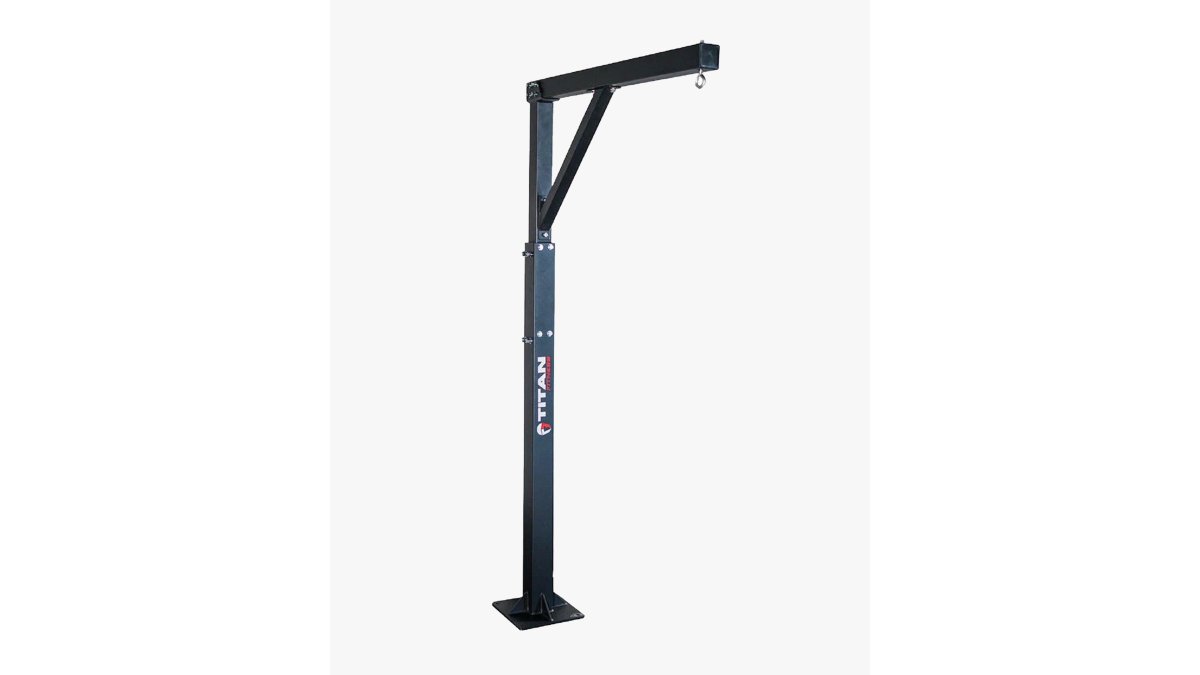
Your heavy bag needs proper support. The Heavy Duty 1 Bag Stand ($509.99) is constructed with a 4" x 4" square post and adjustable height settings at 7 feet 4 inches and 8 feet 6 inches. The 12" x 12" reinforced base anchors directly to flooring, eliminating movement and noise during intense sessions. This vertical design takes minimal floor space while providing full 360-degree access for power shots, jabs, crosses, and kicks.

Hand Wraps and Wrist Support
Hand wraps serve a critical function: they compress your hand structure and provide wrist stability during impact. Many beginners skip this step, then wonder why their wrists hurt after training sessions. Proper wrapping takes practice, but it's non-negotiable for injury prevention during heavy bag work.
Quality hand wraps use dense cotton or cotton-blend materials. They wrap around your knuckles, across your palm, and around your wrist multiple times to create a unified striking surface. The wrapping process itself, done correctly, takes 2-3 minutes per hand. This is time invested in safety, not wasted time.
Wrist support becomes even more critical if you're training at higher intensities. Some practitioners use wrist guards under their gloves for additional compression. This is particularly important if you have a history of wrist strain or if you're training multiple sessions per week.
Protective Gear and Apparel
Beyond hand wraps and gloves, protective gear includes mouthguards, headgear for sparring, and shin guards if you're training in kickboxing or muay thai styles. A quality mouthguard prevents dental damage during contact. Headgear protects against accumulated head strikes during partner drills or sparring sessions.
Boxing apparel should accommodate movement without restriction. Hand wraps and gloves require specific fit considerations, too loose and they slip during impact, too tight and they cut off circulation. Your training shoes need ankle support and grip on the floor, especially when pivoting during footwork drills.
How to Choose Boxing Gloves for Your Training Level
Boxing gloves are your primary investment. This is where equipment quality directly impacts your training safety and longevity. The wrong glove choice leads to hand pain, wrist strain, and accelerated wear on your striking surface.
Glove selection depends on three factors: your training purpose, your hand size, and the weight of the glove. A glove designed for heavy bag work differs from one engineered for pad work or sparring. Each serves a specific function, and using the wrong type for your training style creates problems.
Sizing and Fit Guide for Boxing Gloves
Boxing glove sizing is measured in ounces, not shoe sizes. The weight ranges from 8 ounces to 20 ounces, with heavier gloves offering more padding and protection. Your hand size determines the appropriate weight range.
BOXRAW 36" Pro Training Boxing Ring →
For heavy bag training, most practitioners use 12-16 ounce gloves. The heavier padding protects your hands during repetitive strikes against an unforgiving surface. If you have smaller hands, 12 ounces provides adequate cushioning. Larger hands typically require 14-16 ounces to ensure the glove sits properly on your knuckles and wrist.
Fit is critical. A properly fitted glove should feel snug around your hand without cutting off circulation. Your fingers shouldn't move inside the glove, any shifting means the glove is too loose. When you make a fist inside the glove, your knuckles should sit directly against the padding. The wrist closure should wrap firmly around your wrist without causing numbness.
Material Quality and Durability
Boxing glove construction varies significantly. Genuine leather ages well and develops a custom fit over time, but it requires maintenance. Synthetic leather offers durability at lower price points and requires less care, though it doesn't develop the same character as genuine leather.
The padding inside matters as much as the outer material. Impact foam density determines how well the glove absorbs strike force. Lower-quality gloves use thin, compressed foam that flattens after weeks of heavy use. Quality gloves maintain their padding structure through extended training cycles.
Stitching quality is often overlooked. Gloves with reinforced stitching at stress points (thumb attachment, wrist closure) last significantly longer than those with single-stitched seams. Check the seams before purchasing, visible gaps or loose threads signal poor construction.
Boxing Gloves for Beginners: What Sets Them Apart
Beginner gloves prioritize comfort and protection over competition specifications. They're engineered to absorb impact effectively without requiring extensive break-in periods. This matters because new practitioners need confidence that their gear supports their training, not creates additional problems.
Beginner gloves typically feature more padding than advanced models. The extra cushioning protects developing technique and hand conditioning.
Building Your Home Boxing Setup: Equipment and Space Considerations
A home boxing setup requires more than just a bag and gloves. You need adequate space, proper ceiling height, and equipment arranged for safe training. Many practitioners underestimate the space requirements and end up with setups that limit their training options.
Maintenance and Care for Long-Term Durability
Equipment maintenance directly impacts durability and performance. A heavy bag that's properly maintained lasts significantly longer than one that's neglected. This is where many practitioners lose value, they invest in quality gear and then don't maintain it.
Why Buying From a Specialized Boxing Equipment Store Matters
The secure encrypted payment system at Combat Build Supply protects your financial information. Combined with the straightforward return policy, this creates a purchasing experience aligned with serious training requirements, not casual shopping.
Frequently Asked Questions
What essential boxing equipment do I need to start training?
Start with boxing gloves, hand wraps, a heavy bag or speed bag, and protective headgear. Hand wraps protect your wrists and knuckles during impact. A quality heavy bag like the BOXRAW Classic Heavy Bag builds power and endurance. Add a heavy bag stand for stability and proper height adjustment. Beginners benefit from starting with these core items before adding advanced sparring gear or specialized martial arts equipment.
How do I know if a boxing equipment store has quality gear?
Quality boxing equipment stores offer detailed product descriptions, material specifications, and warranty information. Look for retailers that stock professional-grade equipment from established brands and provide responsive customer support. Combat Build Supply, for example, backs every product with a 100% refund guarantee for defective items and offers live chat, email, and phone support. Stores specializing in boxing equipment typically have better knowledge than general sporting goods retailers.
How do I choose boxing gloves for beginners versus professional training?
Beginner boxing gloves prioritize wrist support and padding comfort, typically ranging from 10 to 14 ounces. Professional-grade gloves offer less padding for better hand speed and precision, suited for experienced fighters. When choosing boxing gloves, consider your training style: bag work versus sparring requires different designs. Proper fit is critical, gloves should feel snug around the hand with secure wrist closure. A specialized boxing equipment store can help match glove weight and design to your experience level and training goals.
Will a boxing equipment store help me set up equipment for my space?
Reputable boxing equipment stores offer guidance on sizing, installation, and space requirements. The Heavy Duty 1 Bag Stand, for example, has adjustable height settings at 7 feet 4 inches and 8 feet 6 inches with a compact footprint for small apartments. Quality retailers provide build instructions and technical support. Combat Build Supply offers free shipping and responsive support via live chat, email, or phone to answer setup questions before and after purchase, ensuring your equipment fits your specific ceiling height and training style.


