

Water vs Sand Heavy Bags: Which Fills Best
Table of Contents
- Water-Filled vs Sand-Filled Heavy Bags: Core Differences
- Water-Filled Punching Bag Benefits for Training
- Sand-Filled Heavy Bags: Stability, Firmness, and Swing
- Best Filling for a Punching Bag by Training Goal
- How to Fill a Heavy Bag: Setup and Maintenance
- Comparing Cost, Lifespan, and Value
- Which Filling Is Right for Your Training Setup
- Frequently Asked Questions
Last Updated: October 5, 2026
Water-Filled vs Sand-Filled Heavy Bags: Core Differences
When you're choosing a heavy bag for your training space, understanding water vs sand heavy bags and how the filling material fundamentally changes how the bag feels, responds, and performs over time is essential.

Water-filled punching bags use liquid as their primary filling material, creating a dense, responsive training surface. Sand-filled heavy bags rely on granular material compressed inside the bag's outer shell.
The choice between these two isn't arbitrary. Your training goals, experience level, available space, and injury history all factor into which filling makes sense for your setup.
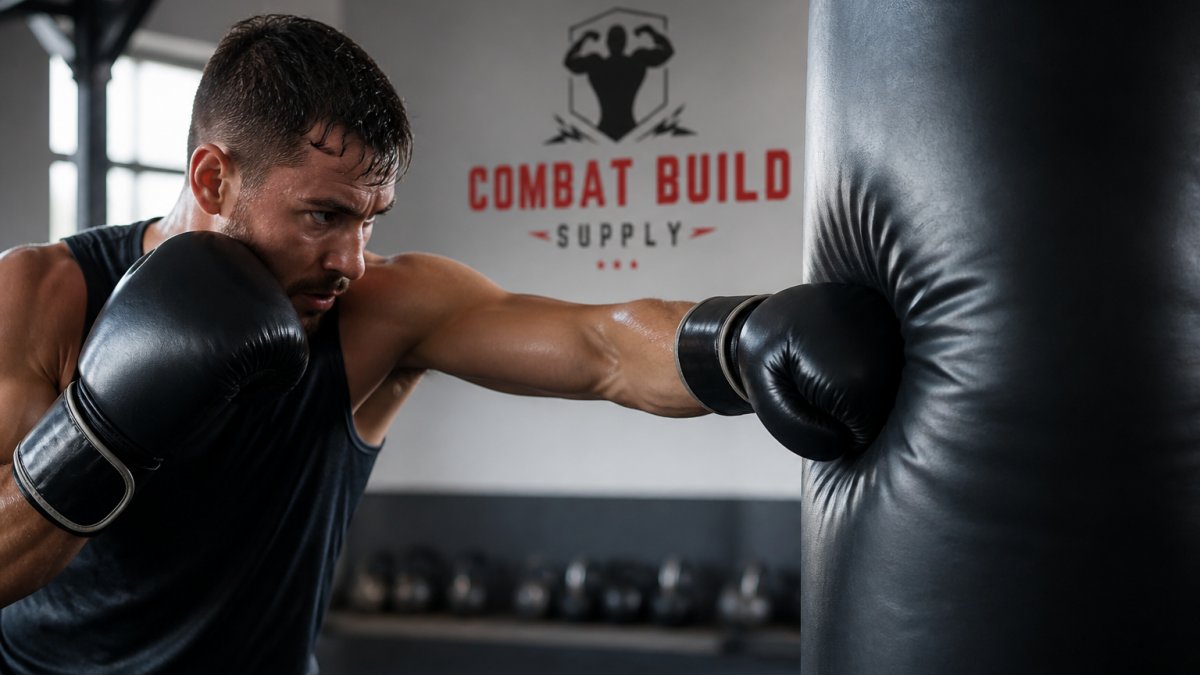
How Each Filling Affects Impact and Feel
Water responds differently to impact than sand does. When your fist strikes a water-filled bag, the liquid distributes the force across a larger area, creating what many fighters describe as a "softer" initial contact.
Sand-filled bags feel denser and firmer from the moment your knuckles make contact. The granular material compresses under impact but doesn't flow like liquid. This creates more immediate resistance and a quicker rebound motion.
The tactile difference matters for technique development. Water bags reward proper form and punching angles because the liquid distributes force evenly. Sand bags provide more feedback about the precision of your strike, if you're hitting at a poor angle, you feel it more acutely.
Weight, Density, and Resistance During Impact
A water-filled bag at the same external dimensions as a sand-filled bag will typically weigh less because water has lower density than compacted sand. This affects how the bag swings and moves after you strike it.
Sand-filled bags provide more consistent resistance throughout the entire striking motion. The denser material means the bag doesn't move as much after impact, which requires more power to generate movement. For conditioning work focused on building raw striking power, this increased resistance makes sand-filled bags more demanding.
The density difference also affects how the bag responds to kicks and knee strikes. Water bags compress and deform slightly, while sand bags maintain their shape more rigidly.
Water-Filled Punching Bag Benefits for Training
Water-filled bags excel in specific training contexts, particularly for athletes managing hand or wrist issues. The shock absorption properties of water make these bags gentler on your joints during high-volume striking sessions. If you're recovering from a hand injury or have chronic wrist sensitivity, a water-filled bag reduces the cumulative impact stress compared to sand alternatives.
The responsive rebound of water-filled bags also supports faster combination work. Because the bag swings more freely, you can throw multiple punches in rapid succession without waiting for the bag to settle. This makes water bags particularly valuable for developing hand speed and reflex training.
Shock Absorption and Hand Comfort
Water distributes impact force evenly across the bag's interior, which means less concentrated stress on your hands and wrists. This property makes water-filled bags the better choice for extended training sessions where fatigue increases injury risk. A tired hand striking a sand bag is more vulnerable to impact-related injuries than the same fatigued hand striking a water bag.
Hand conditioning is a legitimate training goal, and some fighters intentionally use sand bags to build tougher knuckles. However, this approach carries injury risk, especially for beginners. Water bags allow you to develop striking power and technique without the cumulative trauma that comes from repeated high-impact contact with denser materials.
Rebound and Movement Characteristics
Water bags rebound quickly after impact and swing smoothly back into position. This creates a rhythm that many fighters find intuitive for combination training. The bag's movement is predictable, which helps you develop timing and distance management.
The downside is that water bags don't provide as much resistance for power development. If your primary training goal is building maximum striking force, a water bag's easy rebound can feel less challenging than a sand-filled alternative.
Sand-Filled Heavy Bags: Stability, Firmness, and Swing
Sand-filled bags provide maximum stability during training. The dense, compacted material resists movement, which means the bag stays relatively stationary even under aggressive striking. This stability is valuable if you're working on precise target practice or developing knockout power.
The firmness of sand-filled bags also makes them suitable for a wider range of strike types. Elbows, knees, and shin strikes all work effectively on sand bags. The bag doesn't absorb these impacts the way water does, which provides better feedback for technique refinement.
Consistency and Long-Term Durability
Sand maintains its density and weight consistency over extended use. A sand-filled bag struck thousands of times will feel essentially the same as it did on day one. Water bags can develop issues over time, the liquid can leak, separate, or shift inside the bag, changing the feel and balance.
Maintenance plays a significant role in long-term durability. Sand-filled bags require minimal upkeep beyond occasional inspection of the outer shell. Water bags need periodic checks for leaks and may require draining and refilling if the water becomes contaminated or the bag develops internal damage.
Best Filling for a Punching Bag by Training Goal
Your primary training objective should drive your water vs sand heavy bags filling choice. Different goals demand different bag characteristics.
Power and Conditioning Work
If you're training for maximum striking power or intense conditioning circuits, sand-filled bags deliver superior resistance. The dense material requires more force to move, which builds explosive power more effectively than water bags. Professional fighters preparing for competition often prioritize sand-filled bags for power development phases.
Sand bags also support longer training sessions focused on cardiovascular conditioning. The resistance doesn't diminish as you fatigue, so you're working against consistent opposition throughout your session.
Technique Development and Combinations
Water-filled bags shine for combination work and technique refinement. The responsive rebound allows you to throw multiple punches without delay, which develops hand speed and rhythm. If you're learning new combinations or refining footwork, a water bag's predictable movement helps you practice timing and distance management.
Panama 45D Heavy Punching Bag →
The shock absorption also means you can focus on technique rather than managing impact stress. Beginners especially benefit from this because they can train frequently without joint pain that might otherwise limit training volume.
Injury Recovery and Hand Conditioning
Water-filled bags are the appropriate choice during injury recovery phases. The gentler impact allows you to maintain training volume while protecting healing tissues. Athletes returning from hand, wrist, or elbow injuries should start with water bags and progress to sand bags only after medical clearance.
Hand conditioning is a separate goal from injury recovery. Once you're fully healed, some fighters deliberately use sand bags to build tougher knuckles. This is an advanced training approach and shouldn't be attempted by beginners or athletes with a history of hand injuries.
How to Fill a Heavy Bag: Setup and Maintenance
Proper filling technique affects how your bag performs and how long it lasts.
Filling Process and Initial Setup
For water-filled bags, use clean water and fill to the manufacturer's recommended level. Most water bags should be filled to approximately 80-90% capacity to allow for expansion during use. Leave some air space at the top, a completely full bag can develop pressure issues and become dangerously rigid.
Sand-filled bags require more careful setup. Use clean sand (not beach sand, which contains salt and moisture). Fill the bag in layers, compacting each layer slightly to ensure even density. Uneven filling creates imbalanced weight distribution, which affects how the bag swings and feels during training.
The filling process takes time. Don't rush it. A poorly filled bag will develop uneven density, which compromises performance and can create durability issues.
Draining, Refilling, and Long-Term Care
Water bags should be drained completely if you won't be using them for extended periods. Stagnant water can develop algae or bacterial growth, which affects the bag's smell and potentially its structural integrity.
Sand bags don't require draining, but they should be stored in a dry environment. Moisture exposure can cause sand to clump or corrode the interior of the bag. If your sand bag gets wet, allow it to dry completely before storing.
Inspect both types regularly for signs of wear. Check the outer material for tears or weak seams. For water bags, look for slow leaks around seams and the fill cap.
| Maintenance Task | Water-Filled Bags | Sand-Filled Bags |
|---|---|---|
| Routine inspection | Monthly check for leaks | Monthly check for tears |
| Long-term storage | Drain completely | Keep in dry location |
| Refilling frequency | As needed for leaks | Rarely needed |
| Cleaning | Rinse interior if accessible | Inspect exterior only |
| Expected lifespan | 3-5 years with proper care | 5-7 years with proper care |
Comparing Cost, Lifespan, and Value
Water-filled bags and sand-filled bags have different cost profiles and durability expectations. Water bags typically cost less upfront because the filling material is inexpensive.
Over time, the math shifts. Sand bags maintain their performance longer without maintenance. Water bags may require refilling or replacement if leaks develop.
Combat Build Supply offers several options across both categories. The Panama 35D Heavy Punching Bag starts at $400 and uses clean rag filling with compression options, while the Panama 45D model begins at $449 with similar construction.

The choice between initial cost and long-term value depends on your training commitment. Casual home gym users might prioritize lower upfront cost.
Which Filling Is Right for Your Training Setup
Your decision comes down to three factors: your training goals, your injury history, and your space constraints.
Choose water-filled bags if you're focused on combination work, developing hand speed, or recovering from hand and wrist injuries.
Choose sand-filled bags if your primary goal is power development, if you train in multiple disciplines (boxing, kickboxing, Muay Thai), or if you want maximum durability.
The experience level question matters less than goal alignment.
Space constraints rarely dictate the choice. Both types come in multiple sizes and weights. Select the weight and dimensions that fit your space, then choose the filling based on your training purpose.
Choosing the right heavy bag filling directly affects how effectively you train and how long your equipment lasts. Explore our full selection and find the bag that matches your training vision. Sign Up Now!
Frequently Asked Questions
Are water-filled punching bags worth it compared to sand-filled bags?
Water-filled bags excel at shock absorption and hand comfort, making them ideal for injury recovery or extended training sessions. Sand-filled bags offer greater firmness and stability, better for power development and technique work. Your choice depends on your training focus: choose water if hand comfort is a priority, sand if you need consistent resistance and durability for heavy-impact drills.
How do you keep a heavy bag from moving while you train?
Sand-filled bags naturally resist movement due to their higher density and weight distribution. Water-filled bags swing more freely, so stabilizing them requires a sturdy stand or ceiling mount with proper D-ring reinforcement. Ensure your mounting hardware is rated for your bag's weight and your striking intensity. Heavy-duty D rings and sandwich belt reinforcements, like those on the Panama 45D, provide superior stability during intense training sessions.
Which type of punching bag is best for beginners?
Water-filled bags are often better for beginners because they absorb impact more gently, reducing wrist and hand strain as you develop proper striking technique. Sand-filled bags can feel harder on your hands initially. However, if you're training for power development from the start, a sand-filled bag builds conditioning faster. Start with a water-filled option if comfort is your priority, then transition to sand-filled bags as your technique and hand strength improve.
Can you fill a heavy bag with sand, and what's the best way to do it?
Yes, you can fill heavy bags with sand, though most commercial bags come pre-filled. If refilling, use clean, dry sand to avoid moisture and clumping. Fill slowly in layers, compacting gently as you go to avoid air pockets. Sand requires more effort to adjust density once packed.


